Colombia is one of the most attractive consumer goods markets in Latin America: more than 52 million people, a growing middle class and a modern, organized retail sector that coexists with thousands of traditional neighborhood stores across the country. For an international FMCG (Fast Moving Consumer Goods) brand, that combination is a real growth opportunity. It is also a market with its own rules, fragmented channels and logistics that cannot be improvised.
If your brand is evaluating how to enter the Colombian market, this guide summarizes the available entry routes, the requirements you should know before taking the step and the criteria successful brands use to decide who to work with.
Why Colombia is a priority market for FMCG brands
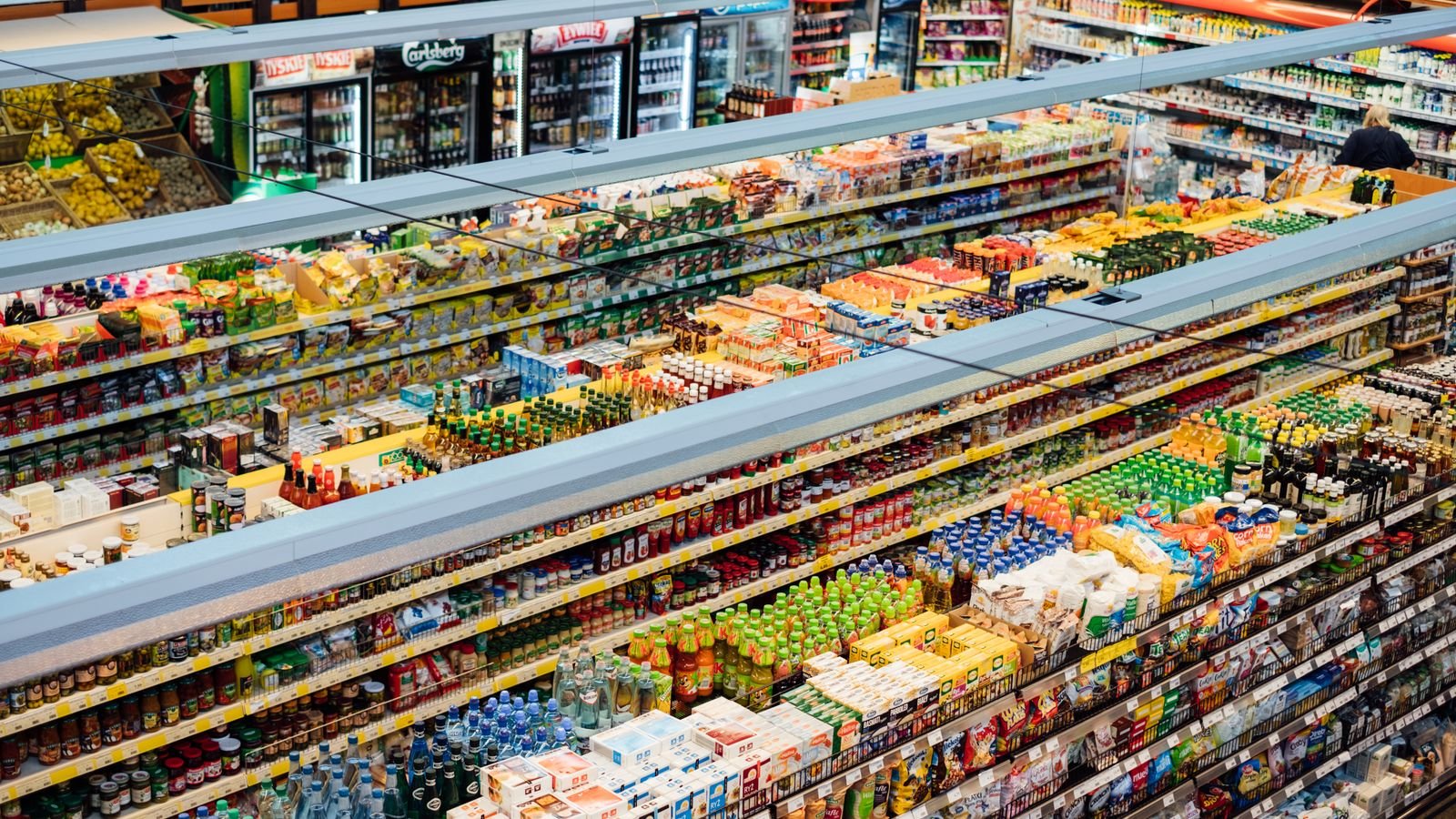
Colombia combines three factors that few economies in the region offer at the same time: relative macroeconomic stability, a consolidated retail system (with players such as Éxito, Jumbo, Carulla and Alkosto) and a hard discount channel (D1, Ara and Ísimo) that has grown rapidly over the last decade. On top of that, a network of pharmacies, convenience stores and marketplaces multiplies the possible points of contact with consumers.
For a brand coming from Europe, the United States or the rest of Latin America, this means that “entering Colombia” is not a single decision but several: which channel to prioritize, which operating model to use and which partner will execute the strategy on the ground.
Routes into the Colombian market
Broadly speaking, there are three ways to enter the Colombian consumer goods market:
1. Your own operation. The brand incorporates a company in Colombia, hires a local team, negotiates directly with each retailer and takes on import, warehousing and distribution logistics. It is the model with the most control, but also the highest upfront investment, the longest set-up time and the greatest operational risk.
2. Independent importer or distributor. A local third party imports and resells the product, usually focused on one or a few channels. It is a fast way in, but it often limits control over brand positioning, trade marketing and geographic coverage.
3. A distribution partner with end-to-end capabilities. A partner that combines importing, distribution, national coverage and marketing execution (ATL, BTL and digital) under a single management model. This route lets the brand enter without building its own operation, while keeping visibility and control over how its positioning is built in the country.
The choice between these routes depends on how much the brand is willing to invest, how quickly it expects results and how critical it is for the brand to manage each retailer relationship directly.
Requirements to sell consumer goods in Colombia
Whatever route you choose, any brand that wants to sell in Colombia must, at a minimum, address:
- Health registration and regulations. Personal care products, food and some home care categories require registration or notification with INVIMA or other regulators, depending on the category.
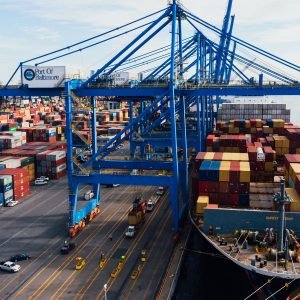
- Imports and customs. Correct tariff classification, a customs agent and the logistics to clear goods for local sale.
- Spanish-language labeling. Colombian regulations require specific information on the package, including nutrition facts, warnings and importer details.
- Electronic invoicing and local tax compliance, which are required to invoice the large retail chains.
- Last-mile logistics capacity that covers both large stores in the main cities and the traditional channel in the regions.
Many of these requirements are exactly why an experienced local partner can cut the time to market from months to weeks.
How to launch a brand in Colombia step by step
- Category and competitor assessment. Understand which brands already occupy the shelf, at what price and in which channels.
- Choose a priority channel. Large supermarkets, hard discount, pharmacies, convenience stores or marketplaces, depending on the product profile.
- Define the entry model. Own operation, importer or end-to-end partner, based on the criteria above.
- Health registration and packaging adaptation.
- Commercial negotiation with retailers and agreement on display conditions.
- A launch trade marketing plan: sampling, displays and in-store visibility during the first weeks, the critical moment for initial rotation.
- Measure and adjust coverage, pricing and execution during the first quarters.
What is the best way to enter the Colombian market as a foreign brand?
For most international brands that do not plan to set up their own operation right away, the most efficient route combines speed and control: working with an FMCG distribution partner that already has established relationships with the country’s main channels, national logistics capacity and experience executing in-store trade marketing. This allows the brand to enter the market with a much shorter learning curve, without giving up visibility over how its positioning is being built.
If you are weighing up that decision, read our comparison of distributor vs. direct importer in Colombia.
How Option supports brands entering Colombia
With more than 30 years of experience distributing international brands in Colombia, Option combines national coverage, direct relationships with the country’s main retailers —from large supermarkets to hard discount, pharmacies and marketplaces— and its own trade marketing and digital marketing team. That structure allows a brand with no presence in Colombia today to be on the right shelf, with the right execution, much faster than if it built that operation from scratch. Learn more about our sales and distribution model.
Want this coverage for your brand? Let’s talk.