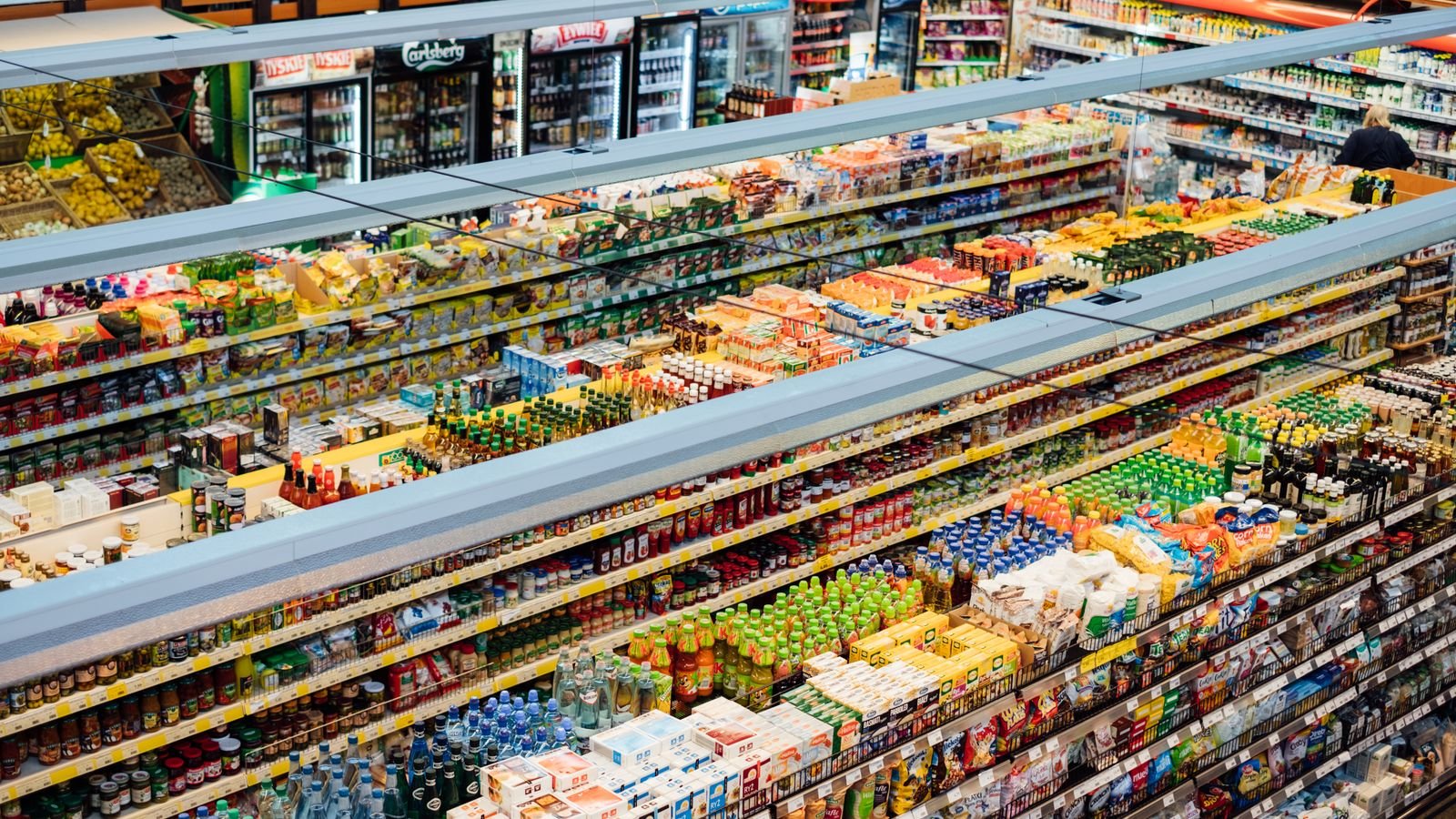
Colombia has one of the most diverse retail landscapes in Latin America. Large supermarkets, regional chains, fast-growing hard discounters, pharmacies, convenience stores, e-commerce and, above all, hundreds of thousands of neighborhood stores all coexist. For a consumer goods brand, understanding this map is the first step in deciding where to be, in what order and with what strategy. This guide summarizes the retail channels that matter most in Colombia in 2026 and what it takes to enter each one.
The most used sales channels in Colombia
1. Traditional channel: the neighborhood store
It is still the largest channel in the country. According to a NielsenIQ study published in August 2026, neighborhood stores account for around 37% of consumer goods sales in Colombia, and the country has more than 450,000 of them. It is a channel of small, frequent purchases, very sensitive to price and pack size.
How to enter: almost never directly. Brands reach it through wholesalers and regional allied distributors that serve store routes, with a sales force that visits, takes orders and follows up. The key is the distribution network, incentives for sales reps and a portfolio with low-cost pack sizes.
2. Hard discount
It is the format that has grown the most over the last decade. D1 has more than 2,700 stores in 31 departments, Tiendas Ara closed the first half of 2026 with 1,708 stores and Ísimo, from Grupo Olímpica, already has more than 300. These chains have a short assortment, a heavy share of private labels and a very efficient operation.
How to enter: with a very competitive price proposition, the ability to supply high volumes without stock-outs and, in many cases, packaging adapted to their format. Brands that get in usually offer something private labels do not: innovation, a new category or a brand with strong recognition.
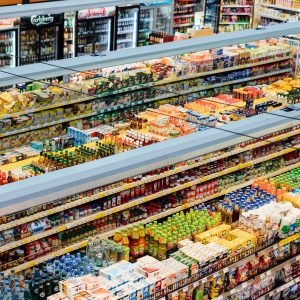
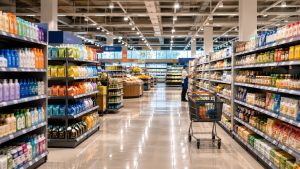
3. Supermarkets and large chains
This includes the large national groups and the regional chains, which in many cities carry as much weight as the national ones, or more.
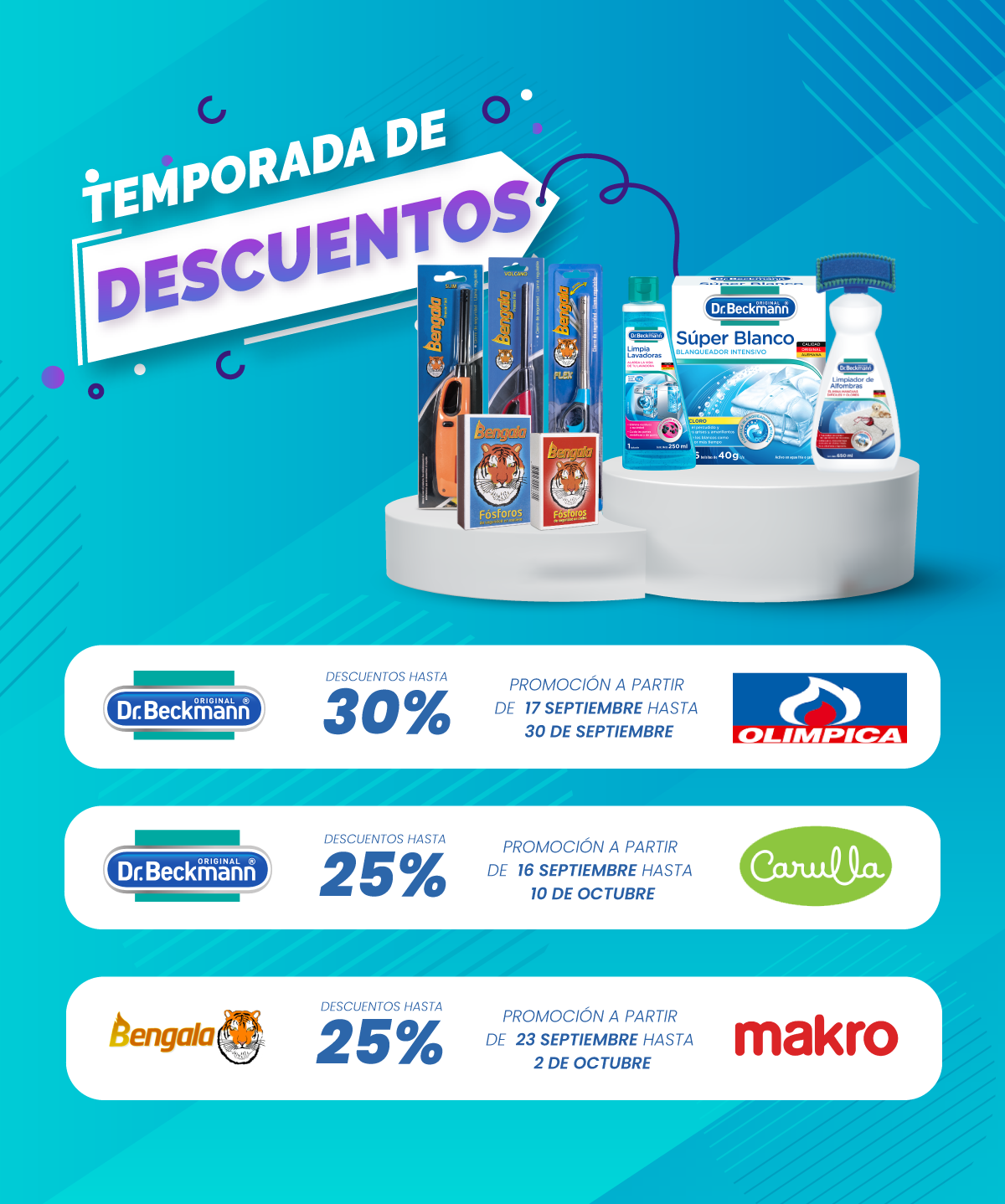
- Grupo Éxito (Éxito and Carulla): since Grupo Calleja took control in 2024, the company has been converting its value formats (Surtimax, Super Inter) to the Éxito and Carulla banners, and taking Carulla to smaller stores and new neighborhoods.
- Cencosud (Jumbo and Metro): hypermarkets and supermarkets with a strong presence in the main cities.
- Olímpica and regional chains: key in the Caribbean coast, the Coffee Region, Santander and other regions.
4. Pharmacies and drugstores
A strategic channel for personal care, dermo-cosmetics, baby care and incontinence. It includes large chains, independent drugstores and convenience formats that combine medicines with consumer goods.
5. Convenience
Proximity stores and gas station formats, driven by impulse purchases and immediate consumption. They work well for snacks, beverages, small-size personal care and everyday essentials.
6. Digital channels
Marketplaces, chains’ online stores and delivery apps. E-commerce still has low penetration in Colombia compared with other markets —Mercado Libre estimates it at around 8%— but it is growing fast and also influences in-store purchases. For many brands, marketplaces and delivery apps are now the fastest channel to test a new product.
Main supermarket chains in Colombia: how to sell to Éxito, Jumbo and Carulla
Although each chain has its own process, the path for a new brand to get listed in a large supermarket usually follows these steps:
- Meet the basic requirements: a product with a valid health registration or notification, labeling compliant with Colombian regulations, a barcode and electronic invoicing.
- Pitch the category buyer: why the product adds to the category, which consumer it targets, suggested retail price, margin for the chain and the commercial support plan.
- Negotiate terms: margin, payment terms, listing fees, participation in commercial events and shelf space.
- Register as a supplier: set-up in the chain’s systems and its ordering and invoicing platforms.
- Deliver operationally: deliveries within the receiving windows of the distribution center or each store, service levels and replenishment.
- Execute in store: without displays, in-store promoters and promotions, initial rotation is usually low and the chain may delist the item.
The last point is the one most brands underestimate. Getting listed is only the beginning; staying listed depends on sell-through. That is why we recommend arriving with an in-store trade marketing plan from day one.
Retailers in Colombia in 2026: where to start
There is no single order, but there are some principles:
- Start where your consumer is. A premium beauty product will probably start in Carulla and pharmacies; a high-volume, low-price product in hard discount and neighborhood stores.
- Do not open more channels than you can serve. A stock-out in a large chain hurts more than being absent from a secondary channel.
- Protect your price architecture. Prices in hard discount, supermarkets and neighborhood stores must be consistent to avoid channel conflict.
- Think about national coverage from the start, even if you roll out in phases and city by city.
Still deciding how to structure your entry? See our comparison of distributor vs. direct importer.
How Option helps you enter each channel
Option serves national and regional chains, pharmacies, convenience stores, hard discount and marketplaces, and reaches the traditional channel through 108 allied distributors. In total, our brands are present in more than 98,000 points of sale in Colombia, including some 3,300 supermarkets and more than 4,600 pharmacies. See our geographic coverage and how our sales and distribution operation works.
Want this coverage for your brand? Let’s talk.